
Protecting Your Conveyor Investment: A Practical Guide to Belt Cover Compounds
 In any conveyor system, the cover compound is one of the most important factors in long‑term belt performance. It protects the carcass from the specific materials and conditions your operation faces, whether that’s abrasion from rock, heat from clinker, or chemical exposure in processing environments. Because each application demands something different, understanding how belt covers are classified and how those classifications translate into real‑world performance is essential for choosing the right compound.
Finding the correct conveyor belt cover for your operation can be complicated, especially when different materials, environments, and regulatory requirements come into play. Our sales team works with a wide range of cover compounds, so we can help identify the option that best supports your system and extends the life of your belt. While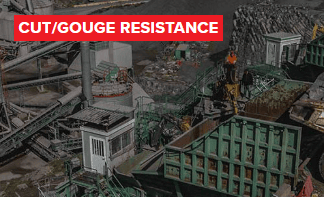 the carcass determines tensioning and load capacity, the cover is what shields that investment from abrasion, impact, heat, chemicals, and other real‑world conditions. Choosing the right compound isn’t just a technical detail — it directly affects belt longevity, performance, and overall operating cost.
 To narrow down the options, it helps to understand how belt covers are classified, selecting the right belt cover starts with understanding how classifications are set. Both RMA (Rubber Manufacturers Association) and ARPM (Association of Rubber Products) use the same two primary grades: Grade 1 (GR1) and Grade 2 (GR2). GR1 offers higher abrasion resistance and better protection against cuts, gouges, and punctures, while GR2 is a more economical, general-purpose option for applications that don’t require maximum wear resistance. Once the base grade is selected, the next step is choosing a compound that matches the specific conditions of your application.
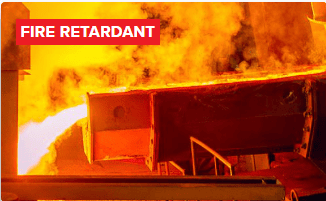
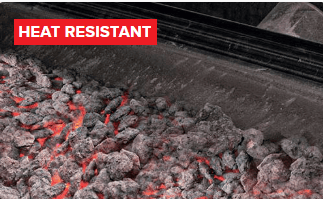
From there, the cover choices become more specialized based on the environment the belt will run in. Some compounds are engineered to handle the constant scouring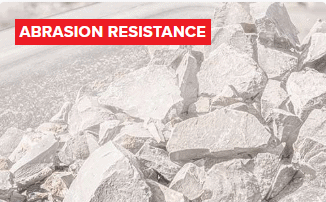 of rock and minerals, while others are formulated to resist the oils found in materials like wood or grain. Certain operations require rubber that can stand up to chemical exposure, especially in processing plants or coal‑fired power facilities. High‑heat applications—such as clinker or lime—call for covers that can tolerate elevated temperatures, while underground mining and similar environments rely on fire‑retardant formulations. In colder climates, low‑temperature compounds prevent cracking and stiffness, and in industries handling consumables or sensitive materials, food‑grade covers ensure compliance and product safety.
 In many applications, these cover compounds aren’t used in isolation. Power plants, for example, often rely on a blend of abrasion‑resistant, chemical‑resistant, and fire‑retardant properties to handle the mix of materials and conditions in their systems. Certain industries also require specific cover formulations to meet regulatory standards. MSHA sets the requirements for belts used in underground mining, while the FDA governs materials that encounter food or sensitive products.
Understanding these classifications and performance requirements is the first step toward selecting a cover that protects your belt and keeps your operation running reliably.